Honoring Black Heroes in Arkansas' Civil War History

Updated: 2 days ago
The Civil War was a pivotal moment in American history, shaping the future of the nation and redefining the roles of many individuals. Among those who played significant roles were Black heroes from Arkansas, whose contributions often go unrecognized. This blog post aims to shed light on these remarkable individuals, their struggles, and their triumphs during a tumultuous time in history.
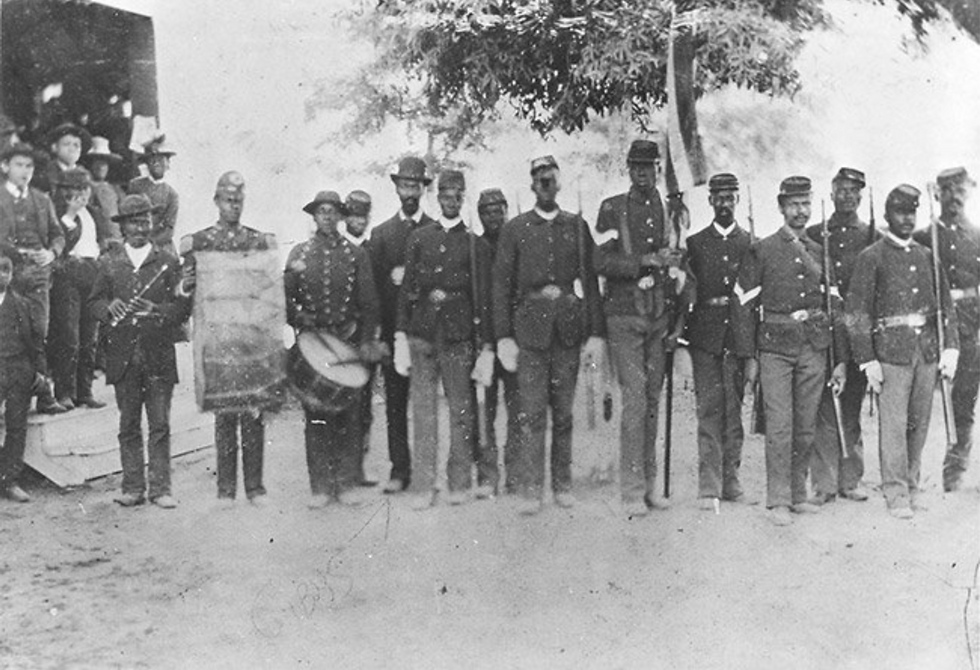
The Context of the Civil War in Arkansas
Arkansas was a border state during the Civil War, and its strategic location made it a battleground for both Union and Confederate forces. The state seceded from the Union in 1861, aligning itself with the Confederacy. However, the war also provided opportunities for African Americans to fight for their freedom and the rights of their communities.
The Role of African Americans in the Civil War
African Americans played a crucial role in the Civil War, both as soldiers and as support personnel. Many escaped slavery to join the Union Army, while others fought for the Confederacy, believing it would secure their freedom. In Arkansas, the presence of Black soldiers was significant, and their contributions were vital to the Union's efforts.
Notable Black Heroes from Arkansas
1. John W. McCulloch
John W. McCulloch was a prominent figure in Arkansas during the Civil War. Born into slavery, he escaped and joined the Union Army, eventually rising to the rank of sergeant. McCulloch fought bravely in several battles, including the Battle of Helena, where his leadership and courage were instrumental in securing a Union victory.
2. Josephine St. Pierre Ruffin
Josephine St. Pierre Ruffin was not only a soldier but also a fierce advocate for civil rights. After the war, she dedicated her life to fighting for the rights of African Americans and women. Her work in Arkansas helped lay the groundwork for future civil rights movements.
3. Henry McDaniel
Henry McDaniel was another notable figure who served in the United States Colored Troops (USCT). His bravery during the war earned him recognition, and he became a symbol of hope for many African Americans in Arkansas. After the war, he worked tirelessly to improve the lives of his fellow citizens, advocating for education and equal rights.

The Impact of Black Soldiers on the War Effort
The contributions of Black soldiers were not limited to the battlefield. They provided essential support services, including logistics and medical assistance. Their involvement helped to shift public perception about African Americans and their capabilities, paving the way for future generations.
The Formation of Black Regiments
The establishment of Black regiments, such as the 1st Arkansas Colored Regiment, marked a significant turning point. These units were composed of formerly enslaved individuals who fought valiantly for their freedom and the freedom of others. Their bravery and commitment were crucial in several key battles, including the Battle of Little Rock.
The Legacy of Black Soldiers
The legacy of Black soldiers in Arkansas extends beyond the Civil War. Their fight for freedom and equality laid the foundation for the civil rights movements that would follow. The courage displayed by these individuals continues to inspire generations, reminding us of the importance of standing up for justice.
Challenges Faced by Black Soldiers
Despite their contributions, Black soldiers faced numerous challenges during the Civil War. They often encountered discrimination, inadequate supplies, and harsh treatment from both enemy forces and their own commanders. Many were paid less than their white counterparts, and some were even denied the opportunity to fight.
The Fight for Equal Treatment
The struggle for equal treatment was a significant issue for Black soldiers. Advocacy groups and leaders worked tirelessly to ensure that these men received the recognition and compensation they deserved. Their efforts eventually led to changes in policies regarding the treatment of Black soldiers.
The Post-War Era and Its Challenges
After the Civil War, many Black soldiers returned home to Arkansas, hoping to build a better life. However, they faced numerous obstacles, including systemic racism and economic hardship. The promise of freedom was often overshadowed by the realities of discrimination and inequality.
The Role of Education
Education became a critical focus for many African Americans in Arkansas after the war. Former soldiers and their families recognized that education was key to achieving equality and improving their circumstances. Schools were established, and community leaders worked to ensure that children had access to quality education.
The Rise of Black Communities
In the post-war era, Black communities began to flourish in Arkansas. Churches, businesses, and social organizations were established, providing support and resources for African Americans. These communities became vital in the fight for civil rights and social justice.
Honoring the Legacy of Black Heroes
Recognizing the contributions of Black heroes in Arkansas' Civil War history is essential for understanding the broader narrative of American history. Their sacrifices and achievements deserve to be celebrated and remembered.
Commemorative Events and Education
Various organizations and local governments have taken steps to honor these heroes through commemorative events, educational programs, and historical markers. These initiatives aim to educate the public about the significant role that Black individuals played in shaping Arkansas' history.
The Importance of Storytelling
Storytelling is a powerful tool for preserving history. By sharing the stories of Black heroes from Arkansas, we can inspire future generations to continue the fight for equality and justice. It is crucial to keep these narratives alive, ensuring that the contributions of these individuals are not forgotten.
Conclusion
The history of Black heroes in Arkansas during the Civil War is a testament to resilience, courage, and the unyielding pursuit of freedom. Their contributions were vital to the war effort and laid the groundwork for future civil rights advancements. As we honor their legacy, let us remember the importance of education, community, and advocacy in the ongoing fight for equality. By acknowledging the past, we can work towards a more just and equitable future for all.


Comments