Exploring the Legacy of Freedom Fighters in Arkansas

Updated: 2 days ago
The state of Arkansas has a rich history, deeply intertwined with the struggles for freedom and justice. From the Civil Rights Movement to the fight for Native American rights, Arkansas has been home to numerous freedom fighters who have made significant contributions to the cause of liberty. This blog post will explore the legacies of these remarkable individuals, their impact on society, and how their stories continue to inspire future generations.
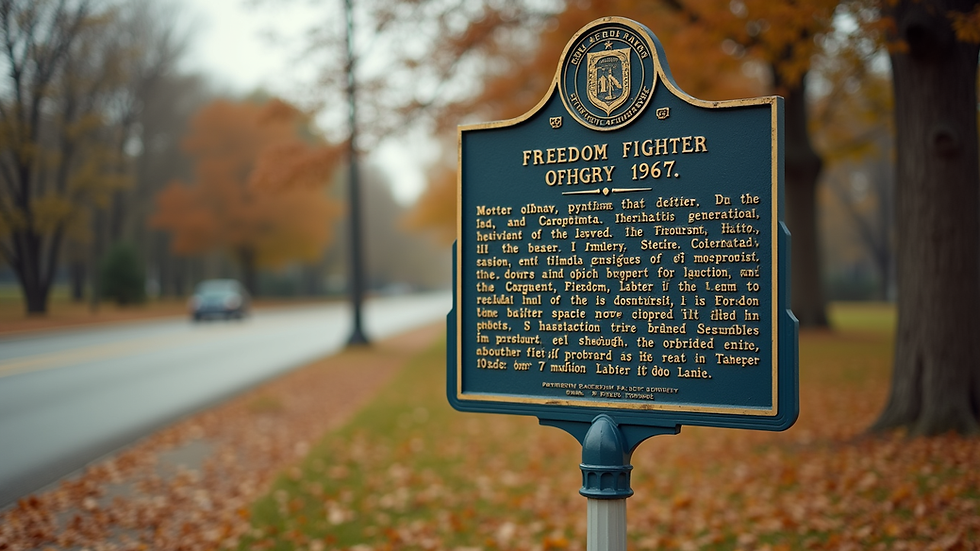
The Historical Context of Freedom Fighting in Arkansas
To understand the legacy of freedom fighters in Arkansas, it is essential to consider the historical context in which they operated. The state has faced various challenges, including racial segregation, economic inequality, and the marginalization of indigenous populations.
The Civil Rights Movement
The Civil Rights Movement of the 1950s and 1960s was a pivotal time for Arkansas. Activists fought against racial discrimination and segregation, striving for equal rights for African Americans. Notable figures such as Daisy Bates played a crucial role in this movement. Bates was instrumental in the Little Rock Nine crisis, where nine African American students attempted to integrate Central High School in Little Rock in 1957. Her courage and determination helped to bring national attention to the struggles faced by African Americans in the South.
Native American Rights
In addition to the Civil Rights Movement, Arkansas has a significant Native American history. The state is home to several tribes, including the Quapaw and the Cherokee. These communities have fought for their rights and recognition throughout history. The struggle for land rights, cultural preservation, and sovereignty has been ongoing, with leaders like John Ross of the Cherokee Nation advocating for their people during the 19th century.
Key Freedom Fighters in Arkansas
Daisy Bates
Daisy Bates is perhaps one of the most recognized freedom fighters from Arkansas. As the president of the Arkansas NAACP, she worked tirelessly to combat racial injustice. Her efforts during the Little Rock Nine crisis not only highlighted the challenges of integration but also showcased the strength of community activism. Bates' legacy continues to inspire young activists today, reminding them of the power of perseverance and courage.
John Ross
John Ross, a prominent Cherokee leader, played a vital role in advocating for Native American rights during the 19th century. He fought against the forced removal of his people from their ancestral lands, a tragic event known as the Trail of Tears. Ross's leadership and dedication to his community have left a lasting impact on the fight for Native American rights in Arkansas and beyond.
Other Notable Figures
In addition to Bates and Ross, many other freedom fighters have made significant contributions to Arkansas's legacy. Figures like Anne Atwater, who worked alongside civil rights leaders in the 1970s, and the Little Rock Nine themselves, represent the diverse struggles for freedom in the state. Each of these individuals has played a role in shaping the narrative of justice and equality in Arkansas.
The Impact of Freedom Fighters on Arkansas Society
The contributions of freedom fighters in Arkansas have had a profound impact on society. Their efforts have led to significant changes in laws and policies, promoting equality and justice for all citizens.
Legislative Changes
The activism of individuals like Daisy Bates helped pave the way for landmark legislation, including the Civil Rights Act of 1964 and the Voting Rights Act of 1965. These laws aimed to eliminate discrimination and ensure equal rights for all Americans, regardless of race. The legacy of these freedom fighters continues to influence contemporary discussions around civil rights and social justice.
Cultural Shifts
Beyond legislative changes, the work of freedom fighters has also led to cultural shifts within Arkansas. Their stories have been integrated into educational curricula, ensuring that future generations understand the importance of activism and the ongoing struggle for equality. Schools and community organizations often celebrate the contributions of these individuals, fostering a sense of pride and awareness among students.
Continuing the Legacy
The legacy of freedom fighters in Arkansas is not just a thing of the past; it continues to inspire new generations of activists. Today, many individuals and organizations are working to uphold the values of justice and equality that these pioneers fought for.
Modern Activism
In recent years, movements such as Black Lives Matter and Indigenous rights advocacy have gained momentum in Arkansas. Activists draw inspiration from the struggles of past freedom fighters, using their stories to motivate and mobilize communities. Social media platforms have also become vital tools for organizing and raising awareness about ongoing issues related to civil rights.
Education and Awareness
Educational initiatives aimed at teaching the history of freedom fighting in Arkansas are crucial for preserving this legacy. Schools, museums, and community centers often host events and workshops that highlight the contributions of local heroes. By educating young people about their history, we can ensure that the fight for justice continues.
Conclusion
The legacy of freedom fighters in Arkansas is a testament to the power of resilience and activism. Figures like Daisy Bates and John Ross have left an indelible mark on the state, shaping its history and inspiring future generations. As we reflect on their contributions, it is essential to continue their work, advocating for justice and equality in our communities. By honoring their legacies, we can build a brighter future for all Arkansans.
As we move forward, let us remember the lessons learned from these remarkable individuals and strive to create a society where freedom and justice are accessible to everyone.


Comments